
Ollama — Local AI on your Linux PC
An article about how to easily install and run local Open Source AI🤖 models using Ollama🦙 on a PC running Linux🐧.

All posts under tag "Linux"
An article about how to easily install and run local Open Source AI🤖 models using Ollama🦙 on a PC running Linux🐧.
Continuing the topic of using SSH in Linux🐧. Today we'll talk about fine-tuning the client using the ~/.ssh/config📄 configuration file, as well as automatic key import into ssh-agent😎 without entering passwords.
In this article we will build our own Docker image with a modern DNS server — Unbound. We'll take a detailed look at the Dockerfile, as well as my script for preparing the container environment.
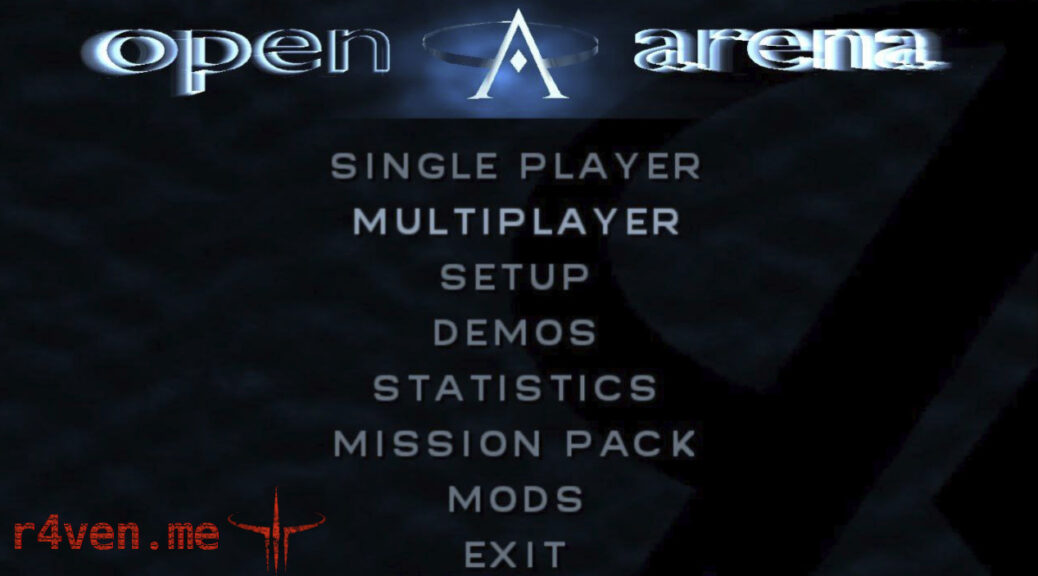
I'll tell you how to install and launch the Open Arena🎮 client (a fork of Quake 3 Arena) on Linux and Windows, and also show how to connect to a private server🖥️.
Many users of Linux🐧 systems face the need to write the output of a particular command/script to a log file📑. In this article we will look at several ways to configure journaling (aka logging) in Linux using the popular command shell — Bash, as an example.
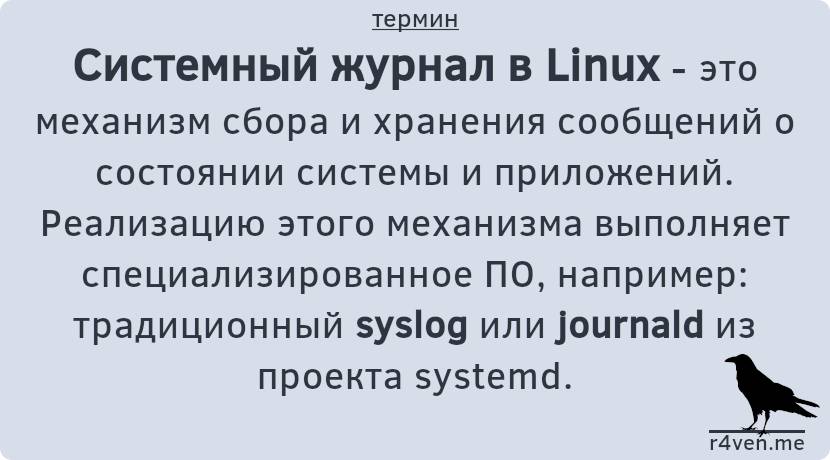
Today, a theoretical note🗒️. Let's talk about the system log in Linux, find out who syslog and journald are, and how they differ + briefly about their advantages and disadvantages. It'll be informative😉.
A short preface: in the course of my work I most often deal with Debian and RHEL/Centos distributions. So somehow I missed the changes in recent versions of the Ubuntu distribution described below🫣
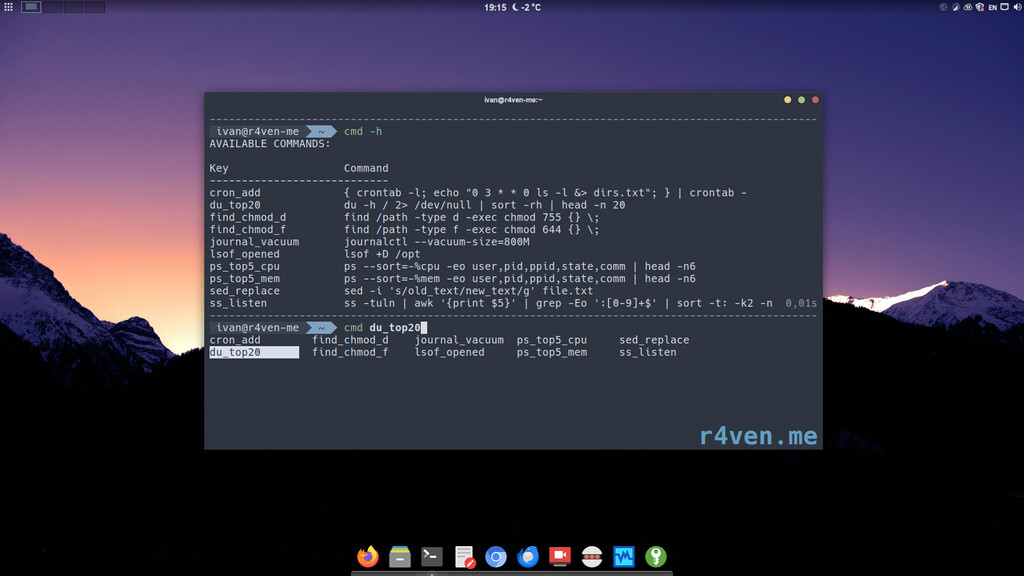
In this article we will create a function for the Zsh and Bash shells that allows quick and convenient access to a prepared list of complex, long, and hard-to-remember commands🤯.
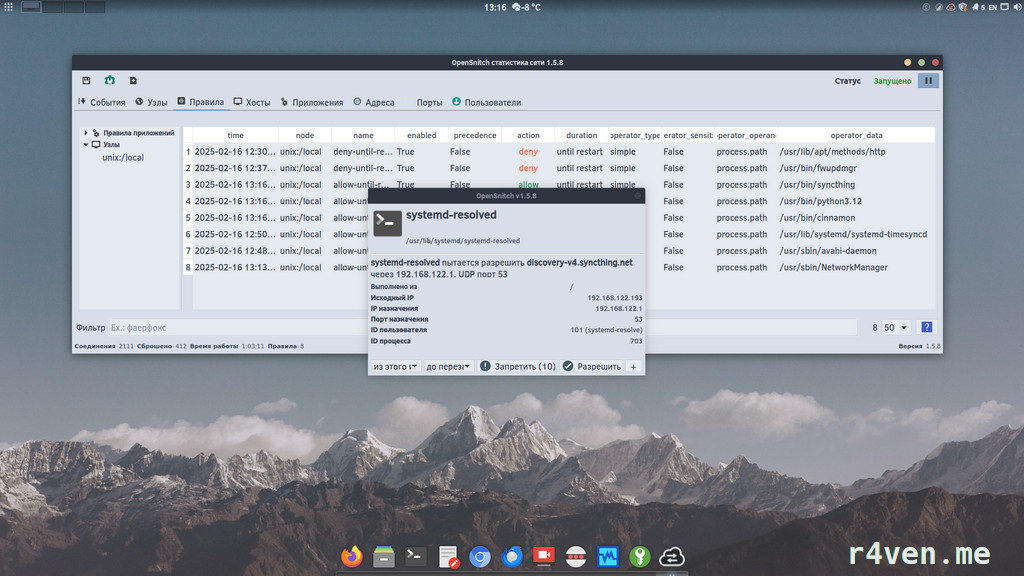
OpenSnitch is a desktop open source application capable of blocking outgoing requests from various programs, with desktop notifications🔔.
Today about automating the initial configuration of a Linux server using Ansible🎺. From setting up locales, timezone, SSH server parameters... to creating and configuring a new user's environment👨💻: Oh-My-Zsh, Neovim, and Tmux.
Enter keywords to search articles