

Recently in the raven community we discussed the topic of IT interviews 👨💻 Let’s talk about it.
🖐️Hey!
Subscribe to our Telegram channel @r4ven_me📱, so you don’t miss new posts on the website 😉. If you have questions or just want to chat about the topic, feel free to join the Raven chat at @r4ven_me_chat🧐.
Many know that this is now a really painful issue😔 The market is unstable, with unpredictable selection criteria, where both bots and people filter simultaneously, and getting into their selection is quite difficult.
Why change jobs if things are good here? The main “problem” in IT is that to remain a qualified and in-demand specialist, you need to change your job every few years to advance professionally and, of course, improve working conditions.
It’s worse when you’re stuck in one place for a long time and you simply need a change of scenery, but you hesitate to leave because it requires energy that you might not have. I know this feeling, believe me.
A bit about my experience
Just over half a year ago I changed jobs. At my previous place, I worked until my comfort zone finally stopped being comfortable, and something had to change.
It’s scary to venture into the unknown. I don’t recommend it to anyone without preparation - it’s not half a day’s work, it’s a long, serious process. You need to brush up on theoretical knowledge, possibly learn new tools for you. And that takes time.
Of course, situations vary, but most often we have the time for it, but lack the desire and sometimes the energy.
Here you definitely need determination, a plan, and the ability to organize your preparation and job search in parallel with your current work.
And here you may run into a popular paradox: to change the situation, you need energy. But the energy ran out at your old job. You need a push, but there’s no strength left. Interest in current tasks has evaporated, there’s no inspiration, just enough to not screw up.
Learning and preparing in such a state is quite difficult, but necessary. If you want to break this vicious cycle.
My last experience in this direction from the decision to getting an offer took several months. Long. Slow. But it worked.
What kind of job I was looking for
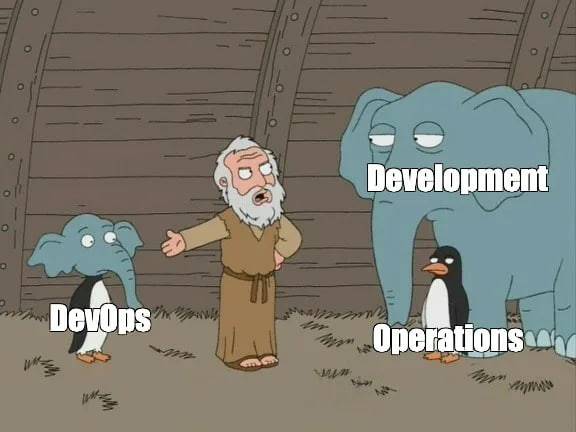
I was looking for Linux systems engineer positions at middle+ level. Essentially, the same direction where I already was.
I responded to vacancies with similar names: “DevOps engineer”, “System administrator”, “Linux systems administrator”, “Systems engineer”, “SysOps engineer”, etc.
Here I should probably clarify my attitude to modern job naming 😏
Of course, every recruiter does their best 🤷♂️ but essentially all of this can be called “Linux system administrator 😀”. But since the term “sysadmin” is quite worn out, I prefer “Systems engineer”.
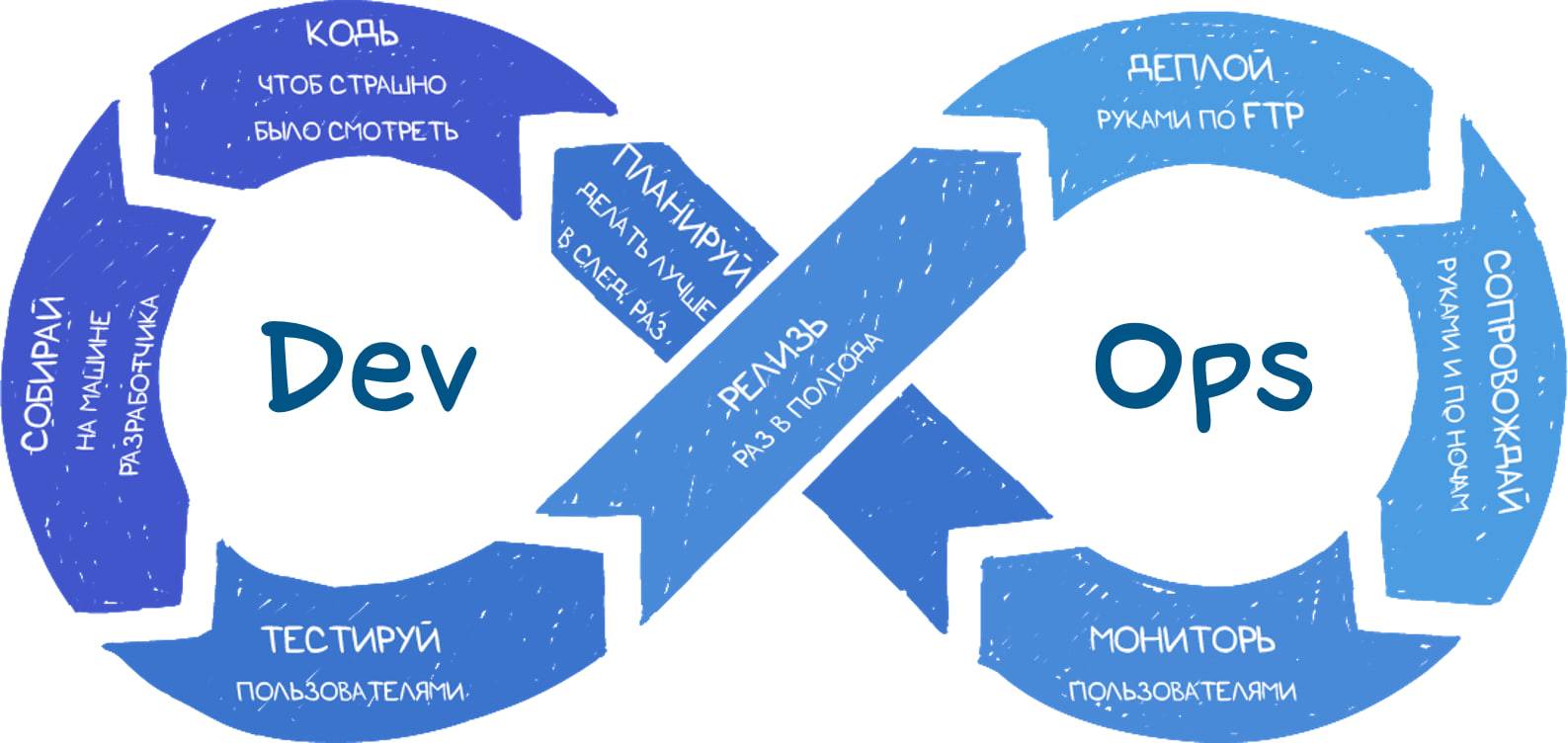
Nevertheless, many often distinguish between DevOps and system administrator. But today this line has become so blurred that it’s no longer visible.
Let me quote myself:
And in general, the division of linux admins into devops and “non-devops” seems to me not relevant today, especially in the age of AI. If you’re comfortable with the console, know shell or python reasonably well, and you have a head on your shoulders, you’ll easily figure out any modern software and automate any crap they ask you to automate) if you wanted to.
Linux administrator, DevOps, systems engineer - it’s all the same profile. Thanks to AI, the boundaries have blurred.
With Kubernetes, which is the industry standard for managing service infrastructure, practically all technical specialists work one way or another. Admins, developers, DBAs, etc. Some more, some less.
Let me quote one of the interlocutors from the same discussion:
I have some confusion in my vacancy plans about the boundary between admin and devops engineer. In an admin vacancy, requirements can include: ansible, git, ci\cd, kubernetes, and in devops even up to mail servers and AD. The first skew has fewer questions, but in the second case the company is clearly doing something wrong.
That’s it exactly. Many HR specialists don’t always understand certain technical terms correctly. It’s understandable, because calling a person a methodology (DevOps is first and foremost a methodology) takes some effort. And a systems administrator can mean many things. There are office admins, and there are infrastructure administrators, maintainers, operations engineers, SREs and other experts. But let’s not dwell on that for now and get back to the interview situation.
Knowledge requirements

For these positions, employers ask for a broad range of knowledge. What exactly - it’s hard to predict, each company has its own. But there’s a certain core - fundamental topics that are checked almost always. If you know this core, you’re already halfway there.
The only problem is that this core is so extensive that you can’t just learn everything in a row. You could finish on the second or third day. I learned all the material gradually, in a structured way, not grabbing everything at once. I repeated what already seemed familiar, filled in the gaps.
As you know, I have a habit, to some degree, of documenting everything I encounter when working with Linux. So it wasn’t difficult for me to prepare a ton of material that I considered most relevant. The list of topics turned out to be impressive, in my opinion. My eyes were spinning, not knowing where to start. Whether to review SQL, learn Bash, remember Python, dive into system calls and so on. In the end, I fed the entire list of topics to ChatGPT so it would structure and sort everything for me by topics, logic, difficulty. This greatly eased the learning process. Topics went from general to specific. This also helped a lot - instead of chaos there was some kind of map.
What’s next
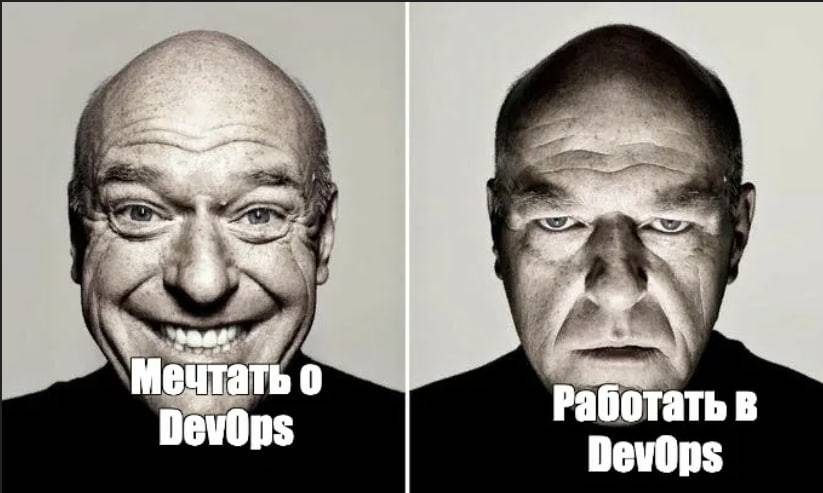
If you’re interested in my little story, react to this post with a Raven 🐦⬛ and in the next part I’ll tell you about the interviews themselves. How they went, what questions I was asked, what they paid attention to. How I did “live admining”, the equivalent of live coding for developers, and some other things. If that’s also interesting, then in the third part I’ll post a complete list of topics and materials, with links to articles, cheat sheets, educational videos that I watched/studied/reviewed, with comments - for those in a similar situation who don’t know where to start🤔
Have a good day!
👨💻And…
Don’t forget about our Telegram channel 📱 and chat
Or maybe you want to become a co-author? Then click here🔗
💬 All the best ✌️
That should be it. If not, check the logs 🙂

Comments