
Co-authorship in the Blog
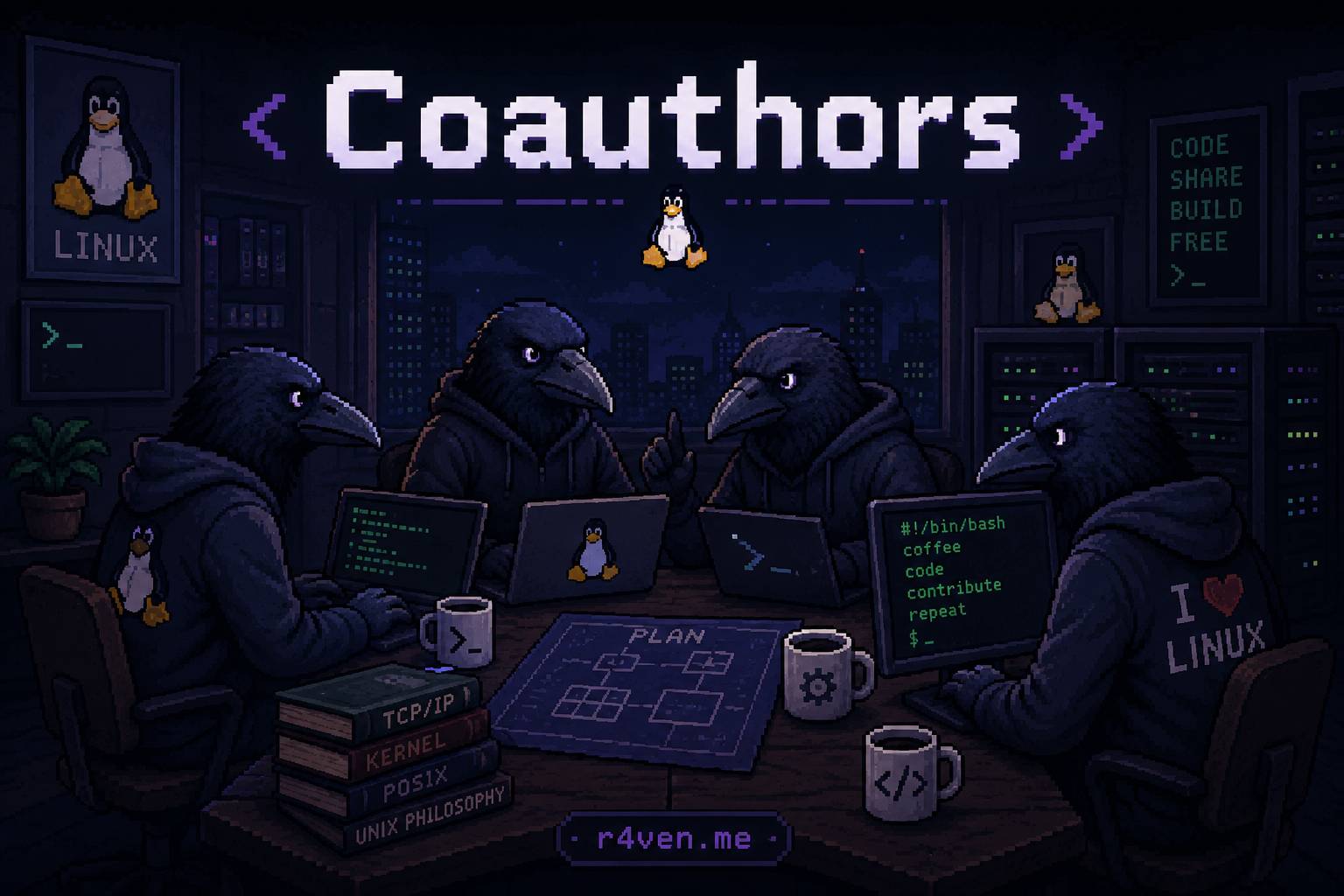
Co-authorship in the Blog
Greetings!I have wanted to write this post for a long time, but kept putting it off. In short, here is the idea: I want to open the blog to materials from readers and subscribers.
If you have your own notes, instructions, articles, problem analyses, experience implementing some solutions, or simply a desire to share useful information, you are welcome here. It does not matter whether you are a beginner or a seasoned specialist. What matters is having your own experience and wanting to share it 😌.
What the Author Gets
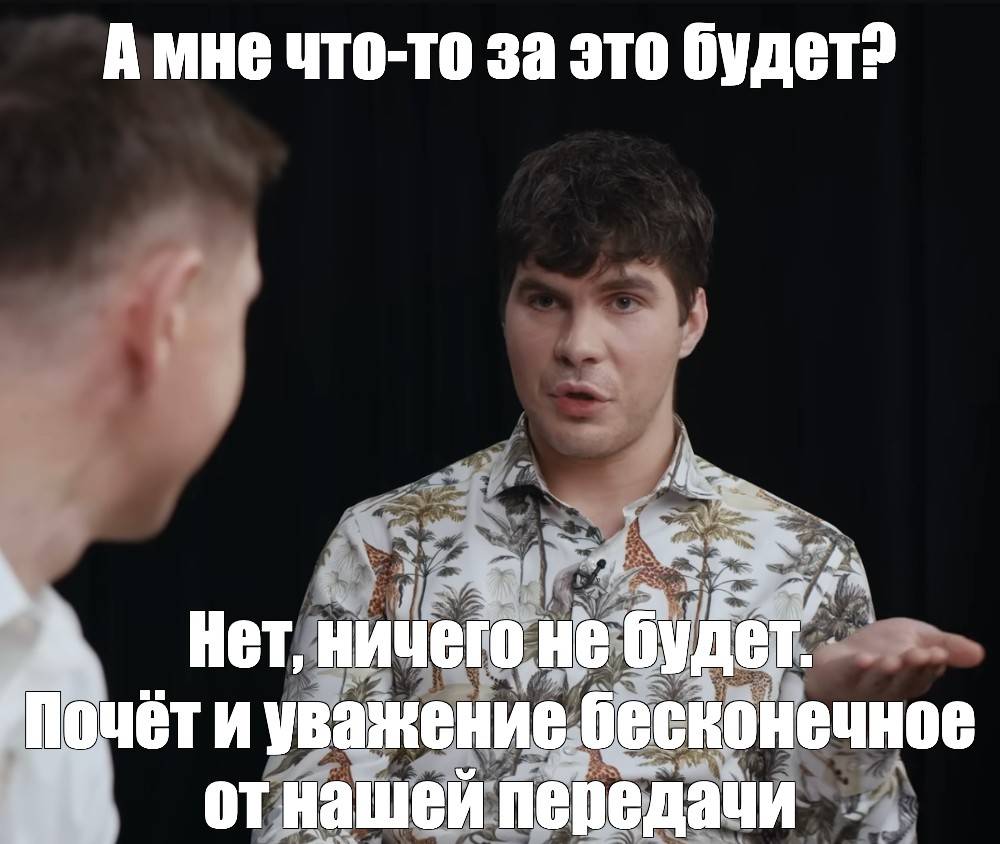
All right, jokes aside. In practice, you get a ready-made platform for publishing your materials without having to deal with a website, hosting, layout, and promotion yourself.
From my side, I guarantee:
- keeping authorship attributed to you;
- listing the author’s name, nickname, or pseudonym;
- the ability to add links to your Telegram, GitHub, website, blog, or other contacts;
- a personal author tag, making it easy to find all your publications;
- help with formatting and reviewing materials;
- an announcement for each article in the blog’s Telegram channel;
- 24/7 availability of the materials.
In effect, the site can be used as your own technical knowledge base or public wiki. All publications by an author will be collected under a personal tag and easy to search 🏷️.
I should say right away that all of this is done on a voluntary basis. Participation is entirely up to your own sincere interest, with no obligations attached. I am not hiring you for a job 😑.
You do not have to become a regular author to publish here. You can send just one article, one note, or even one useful addition to an existing material. That alone may be enough to help someone solve a problem or understand a new technology. The main thing is usefulness for readers.
If someone wants to publish regularly, we can later come up with additional ways to highlight the author’s contribution ⭐. Perhaps these will be special badges, achievements, marks next to the name, a personal page with custom text, or something similar.
The site will also have a separate page listing all authors, where readers will be able to see every project participant and go to their publications.
What Materials Fit
The blog’s topic remains the same: Linux 🐧 and Open source 👨💻, along with everything that grows from that: infrastructure, DevOps, networking, security, virtualization, containerization, and so on.
The format can vary:
- a full article or guide;
- an instruction;
- a note or howto;
- an analysis of a problem and its solution;
- a review of software, technology, or a distribution;
- results of experiments;
- and so on.
If you have several materials on one topic, they can be combined into a separate series with its own tag and shared navigation between articles.
Requirements for Materials
There are only two main requirements: 1) the material must be written by a human; 2) it must be useful to the reader.
You may use AI tools 🤖 to check the text, fix mistakes, clarify technical details, prepare examples, or verify facts. But the narrative, experience, conclusions, and presentation must belong to the author.
I want to preserve the living format of a technical blog, where the reader understands that the text was written by a person with real experience, not fully generated by a model from a prompt.
There is no need to chase perfect literary form. Small authorial quirks, personal comments, and your own style are very welcome.
Technical humor, memes, and other ways to make the material less dry are also welcome. The main thing is not to overdo it 😉.
You Do Not Have to Write “New” Articles
I also want to mention another way to participate. If you do not have ready-made materials, do not have time to write full articles, or simply do not want to create content from scratch, that is absolutely fine.
You can help in another way: update existing materials. For example, the site has an instruction on installing Debian 12 in VirtualBox. It can be updated for Debian 13, the commands can be checked for relevance, changed settings can be corrected, or new features can be added.
The same applies to:
- updating instructions between distribution versions;
- updating guides for Linux Mint, Ubuntu, Debian, and other systems;
- updating software reviews;
- checking old materials for changes in interfaces, commands, and settings;
- adding useful notes and corrections to existing articles.
This kind of help is just as valuable. Technologies change constantly, and keeping a knowledge base up to date matters too.
It is also possible to collect various materials from around the web, for example by making thematic news digests or writing about interesting cases from IT history.
BUT! You should not explicitly copy other people’s articles, retell materials from other sites with the help of AI, or generally send someone else’s content for publication. The point of the project is to accumulate unique community experience 🐧🐧🐧.
Illustrations and Media
Screenshots, diagrams, images, and other media materials are welcome. They are especially useful when they help explain a process, show the result of a command, or make sense of a program interface. But here too, it is important not to overdo it.
The main criterion is simple: media should help the reader understand and reproduce the described actions faster.
How to Send Materials
To send me your materials, I provide a simple Markdown editor available from the internet.
Formatting rules, an article/note/review template, and structure recommendations will be provided separately.
How to Participate
Tell me that you would like to publish in Raven’s Blog through any contact channel:
- in Raven’s chat;
- via Telegram Direct;
- in Telegram private messages: @r4vkor;
- by email: kar-kar@r4ven.me;
- through other contacts listed on the blog site.
If you are unsure about the topic or format, just write to me. We can discuss the idea before you start preparing the material.
Afterword
The first materials from readers will be published soon. Several people have already sent their articles and notes; they are now going through final review and formatting before publication.
There is no such thing as too much content. Especially useful content written by humans in the age of generative artificial intelligence. If you have something to share, join in. I will be glad to help with publication and, as far as I can, try to make sure it reaches as many interested readers as possible.


